
You know that rush you get when you crack a puzzle, score a goal, or finally understand a tricky concept? That’s dopamine—your brain’s natural reward chemical—lighting up in celebration. Now imagine if learning in school triggered that same kind of high. Spoiler: it can. Welcome to the idea of a dopamine-based curriculum, where teaching strategies are designed to engage the brain’s reward system and make education not just effective, but deeply satisfying. This isn’t about turning school into a game—but it is about using neuroscience to make learning feel more rewarding, more often.
What Is Dopamine, and Why Should Educators Care?
Dopamine is often called the “feel-good” neurotransmitter, but it’s more accurate to think of it as the brain’s motivation messenger. It spikes when we anticipate rewards, experience novelty, or achieve goals. In the classroom, this translates into students feeling more engaged when they’re curious, when they see progress, or when they’re recognized for their efforts. If we design lessons that align with these triggers, we’re not just teaching content—we’re hacking the brain’s natural learning systems. And yes, it’s just as cool as it sounds.
Curiosity Is a Chemical Superpower
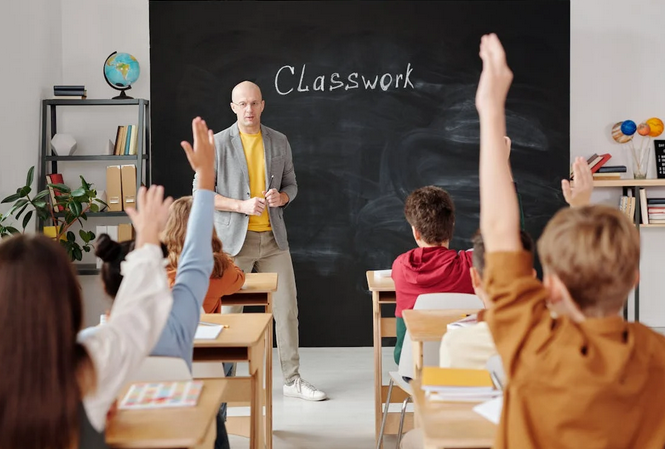
The brain loves a good mystery. When students are curious, their brains go into high-alert mode, anticipating a reward: the “aha” moment. That’s dopamine at work. Teachers can tap into this by framing lessons with compelling questions, surprising facts, or real-world problems to solve. Instead of starting with answers, start with a puzzle. When students want to know the answer, they’re not just learning—they’re chasing that dopamine rush. The trick is to keep curiosity alive by pacing revelations and letting students explore before revealing solutions.
Progress Feels Good—Even in Small Doses
One of the easiest ways to trigger dopamine? Show progress. The brain loves a win, even a small one. In a classroom setting, this could mean breaking larger tasks into micro-goals, giving immediate feedback, or celebrating small milestones along the way. Whether it’s leveling up in a skill, beating a personal best, or getting a concept right after struggling—each success adds fuel to the motivational fire. A well-structured learning path that shows visible progress can keep students engaged far longer than a high-stakes test ever could.
Social Learning Isn’t Just Fun—It’s Neurochemical
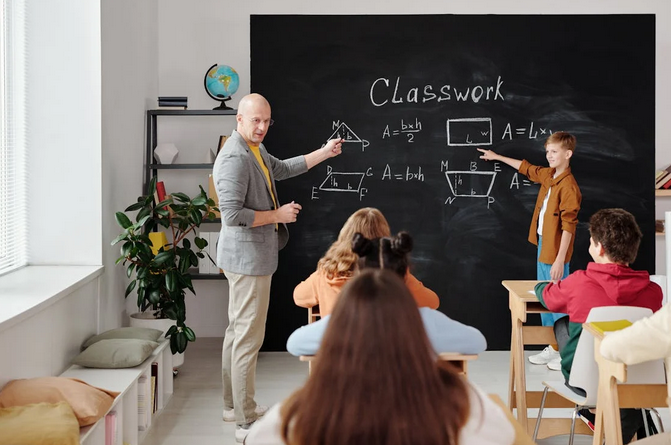
Learning alongside others doesn’t just build community—it lights up the brain. When students collaborate, share ideas, and receive positive reinforcement from peers, they get dopamine hits from both social connection and intellectual validation. Group projects, peer teaching, and discussion-based learning aren’t just soft skills—they’re strategic neurochemical tools. By designing classrooms that reward participation, cooperation, and communication, we make learning socially and emotionally rewarding as well as academically useful.
Novelty and Surprise Keep the Brain on Its Toes
Repetition has its place, but novelty is what keeps the brain interested. A new setting, a change in format, or an unexpected twist can all jolt attention and activate dopamine release. Teachers who bring in fresh materials, shift formats (think from lecture to interactive), or introduce surprise challenges are not just “keeping it interesting”—they’re triggering the brain to pay attention and enjoy the ride. Even a small shift in routine can reset focus and spark motivation.
The future of education doesn’t need more worksheets—it needs more dopamine. When we understand how the brain’s reward system works, we can design learning experiences that aren’t just productive but pleasurable. The dopamine curriculum isn’t about gimmicks or games—it’s about teaching with the brain in mind, creating environments where motivation isn’t manufactured, it’s natural. After all, the best kind of learning is the kind students want to come back to—not because they have to, but because it feels good to grow.




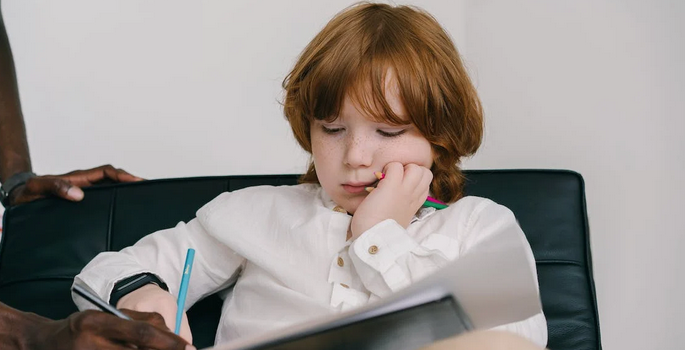
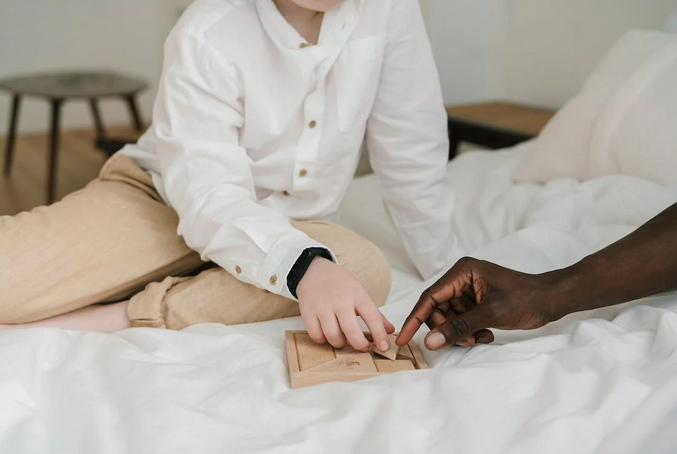
 Last but not least, good organizational skills are essential for any teacher. Still, they become even more important when dealing with a student population that can be particularly challenging to manage. Special education teachers need to pay close attention to detail and be highly organized to manage their classrooms and provide the best instruction possible effectively. They must also be able to keep track of all the paperwork and documentation associated with special education, which can be complicated.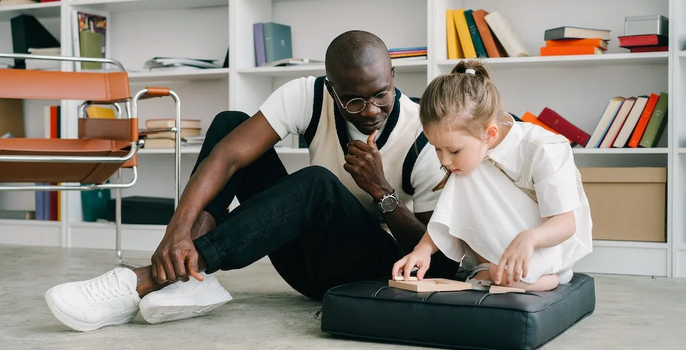
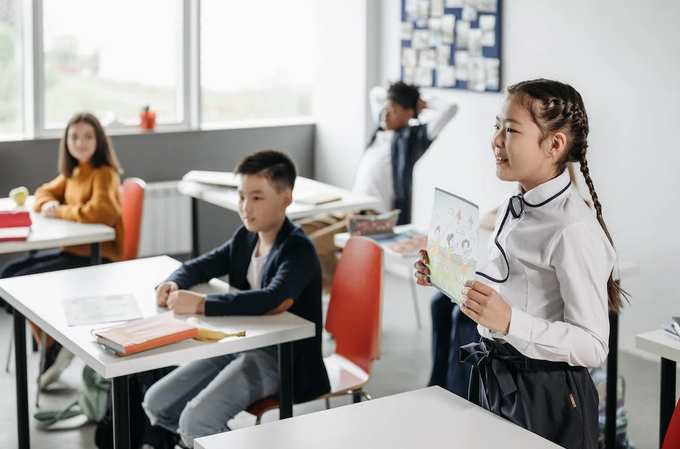
 Most bursaries will require you to undergo a means
 Unlike traditional classroom settings, online learning allows students to learn at their own pace. You can take one without disrupting the class if you need a break. This flexibility also means that you can study according to your schedule. If you’re a night owl, you can do your work in the evening. Or if you have a busy day job, you can study during the day.
 Another great benefit of online learning is that it’s usually more affordable than traditional courses. This is because online courses don’t require classroom space, textbooks, or other materials. In addition, many colleges and universities offer discounts for online students. So if you’re looking to save some money on your education, online learning might be the way to go.



 One problem with conventional examinations is that the questions and the materials will no longer be available after the appointed schedule. For this reason, students need to be present during the test no matter what situation they may be in. There have been many cases showing that students often have to miss the test due to urgent matters, such as illness and accidents.
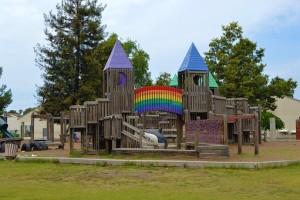 A big mistake is to assume that all nursery schools are the same. They are not! They differ in programs and facilities. As much as each will try to justify that they are the best in the market, it is up to the parent or guardian to make the right decision. Go through all programs they offer whether using their website or referral information. In other words, research is better than making costly assumptions.
 A far off nursery school may never be convenient for the kid and you no matter how good it is. It is inconveniencing in all ways. One will end up using more time to drive the child which is tiresome for them. Additionally, their free time will be wasted along the way. Don’t forget you have other things to do. So pick a good near
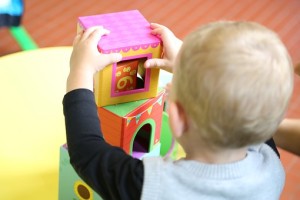 As the kids are growing, they need to get the best facilities which will help then to have an all round education. The best schools will offer play and learning facilities. The learning environment is also conducive to make sure the kids get the best. Parents with kids in some of the most reputable nursery schools will attest that such schools have enough compounds for kids to feel the freedom.
 After the age of school kids may use more time in school than that every day and thus what they eat, will affect their health. The best nursery schools ensure they give kids balanced diet and those that do not pose any health threat to the children. They will also have a nutritionist on the ground to make sure that the food is healthy and well prepared on a daily basis.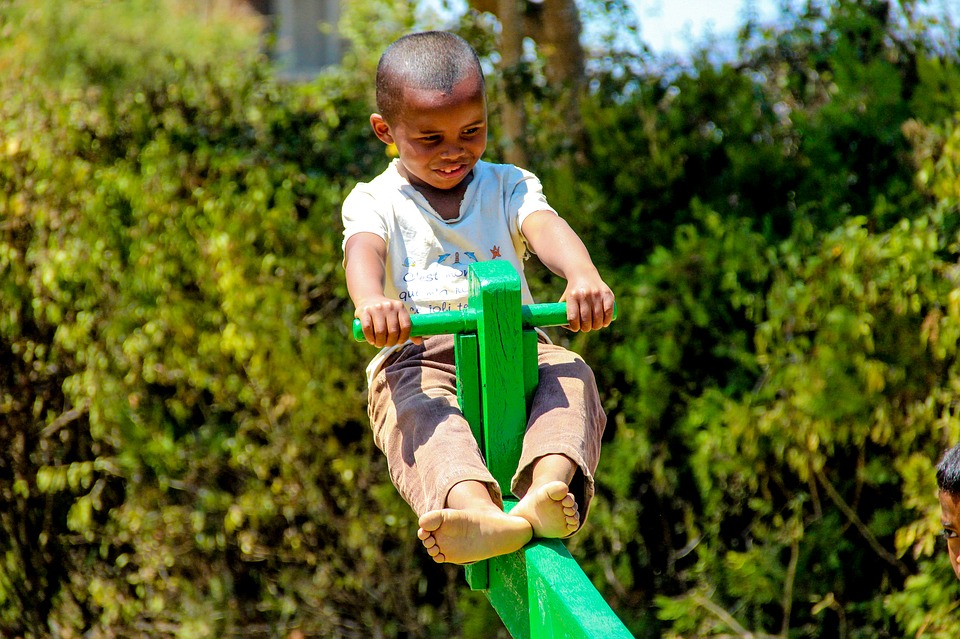

 from a wide range of A-level subjects and activities. They only get to choose what is right for them and what they are best at in order to build a sense of passion.
 The sixth grade can be challenging, but the Ipswich school has a unique approach to it. Their career guidance incorporates everything to cater for any students. The student interest is given a priority too.